Gardening services near Holborn station for small courtyards
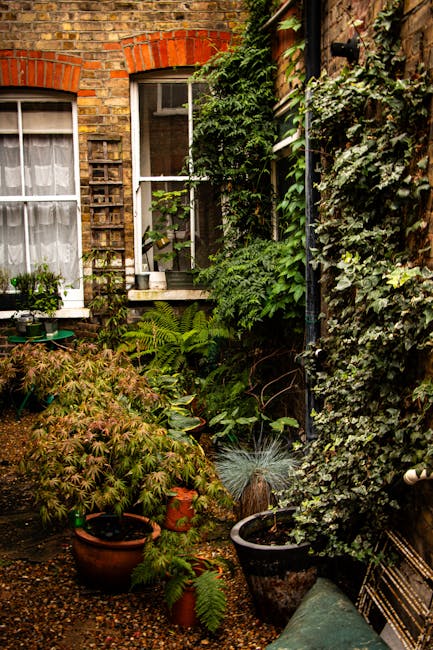
If you have a small courtyard near Holborn station, you already know the challenge: the space is compact, the light can be patchy, and every square metre has to earn its keep. That is exactly where Gardening services near Holborn station for small courtyards become genuinely useful. Not in a vague, brochure-like way either, but in a practical, day-to-day sense that helps a tiny outdoor area feel calmer, cleaner, and much more usable.
Whether your courtyard is a tucked-away office break area, a private home patio, or a little rental garden that needs to look presentable year-round, the right gardening support can make a big difference. The trick is knowing what actually works in tight London spaces, what to ask for, and how to avoid paying for services that are far too broad for the job.
This guide walks through the basics, the benefits, the process, the common mistakes, and the sensible next steps. It is written for people who want a courtyard that looks good without turning into a maintenance headache. And honestly, in central London, that is half the battle.
Why Gardening services near Holborn station for small courtyards Matters
Small courtyards are deceptively demanding. They look simple at first glance, but the reality is that a cramped layout exposes every little issue. A patch of moss on paving looks bigger. A tired planter looks worse. One overgrown shrub can make the whole space feel cluttered. That is why focused gardening support matters so much in these settings.
Near Holborn station, you also get the usual central-London complications: dust, foot traffic, reflected heat, and buildings that can limit direct sunlight. A courtyard may sit between tall walls, receive a bit of morning sun, then fall into shade by lunch. Plants need to suit that, and the maintenance plan needs to suit it too. Otherwise you end up with weak growth, constant replacements, and a space that never quite settles.
There is also the practical side. Courtyards in busy areas are often used more than people expect. Residents want somewhere attractive to sit. Offices want a space that feels tidy for staff or visitors. Hospitality venues want the area to look welcoming from the first step outside. In those situations, a neglected garden sends the wrong message very quickly.
Expert summary: Small courtyard gardens near Holborn need a maintenance style that is tidy, space-aware, and light-sensitive. The best results usually come from lighter, more frequent care rather than occasional heavy work.
If you are comparing providers, it helps to look beyond generic gardening promises. You want someone who understands small-space planting, narrow access, seasonal upkeep, and practical maintenance routines. A broader service overview such as the full range of local gardening services can help you see how maintenance, clearance, trimming, and landscaping fit together.
How Gardening services near Holborn station for small courtyards Works
Most courtyard gardening jobs begin with a simple assessment. A good gardener will look at access, light levels, current plant health, surface condition, drainage, and how the space is actually used. That sounds basic, but it is the part that saves time later. A courtyard that is decorative only needs a different approach from one that doubles as a daily sitting area.
From there, the work usually falls into one or more of these areas:
- Routine maintenance such as weeding, deadheading, watering checks, feeding, and seasonal tidying.
- Pruning and shape control to stop shrubs, climbers, and small trees from swallowing the space.
- Lawn or artificial-grass care where a courtyard has a small grassy section, or a clean-up routine for a mixed surface area.
- Planting and replanting with shade-tolerant, container-friendly, and drought-aware species.
- Hard-surface care including leaf clearance, moss management, edging, and keeping paving neat.
- Design adjustments if the courtyard feels awkward, underused, or too busy visually.
For some properties, the service is light-touch and recurring. For others, it starts with a more intensive tidy-up and then moves into maintenance. That is where services like regular garden maintenance or garden clearance can make sense, especially when the courtyard has got away from you a bit. Happens to the best of us.
In practice, the best courtyard work is usually iterative. You do not need to rebuild everything in one go. Often, the smart move is to stabilise the space first, then refine it over a few visits. Less drama. Better results.
Key Benefits and Practical Advantages
The biggest benefit of professional gardening support in a small courtyard is not just visual improvement. It is the way the space starts to function properly again. A neat courtyard feels bigger, easier to use, and less mentally noisy. That may sound airy, but anyone who has tried to relax beside a cluttered patch of tired pots will know exactly what I mean.
Here are the practical advantages worth paying attention to:
- Better use of space: compact gardens need proportion. A good gardener knows when to prune back, thin out, or simplify.
- Healthier planting: small spaces can become overcrowded fast, which leads to weak growth and more disease pressure.
- Cleaner surfaces: paved courtyards need regular leaf and debris control so they do not become slippery or stained.
- Lower maintenance stress: with a sensible routine, you stop playing catch-up every few months.
- Improved first impression: for rented homes, offices, studios, and hospitality spaces, this matters more than people admit.
- Better plant choice: the right species for shade, wind, or container life saves money and frustration later.
There is also a subtle but important point: small courtyards reward restraint. Too many features can make a tiny area feel cramped. A thoughtful gardener will usually recommend fewer, better-chosen elements rather than filling every corner. That is where landscape gardening support can be genuinely useful, even if the final result is modest and not flashy.
And yes, a modest courtyard can still feel special. A bit of greenery, a clean line of planting, maybe one calm focal point. It does not need to shout.
Who This Is For and When It Makes Sense
This type of service makes sense for a surprisingly wide group of people. If you have a courtyard near Holborn station, you may already be in one of these situations:
- You own a home with a tiny outdoor area that is underused or messy.
- You manage a flat building or communal courtyard and need reliable upkeep.
- You run an office, clinic, studio, or hospitality venue and want the outdoor space to look presentable.
- You rent a property and want the courtyard to be easier to enjoy without spending your weekends on it.
- You have an awkward, shady, or enclosed space and need help choosing plants that actually cope.
It also makes sense if you have already tried doing it yourself and realised the job is smaller than a full garden, but still fiddly enough to be annoying. Courtyards are rarely difficult in a dramatic sense. They are just persistent. Little jobs keep returning. Leaves. Weeds. Potted plants needing attention. A loose edge here, a tired shrub there.
If the space includes decking, trim, or structural features, a specialist who can handle different components may be more efficient than calling separate trades. In those cases, a relevant page like decking services can be worth a look, especially where the courtyard mixes planting with timber surfaces.
Truth be told, the best time to get help is often before the garden looks bad. Early intervention is cheaper, calmer, and less messy. But even if it has already become a bit wild, that is still workable.
Step-by-Step Guidance
If you are planning gardening work for a small courtyard near Holborn, the process is easier when you break it into sensible stages. No heroics required.
- Assess what the courtyard actually needs. Is it maintenance, a one-off tidy, a design refresh, or a mix?
- Make a list of pain points. For example: too much shade, cluttered pots, weeds in paving, poor drainage, or lack of seating space.
- Decide what should stay and what should go. In small courtyards, not every plant deserves a rescue mission.
- Choose a maintenance rhythm. Light monthly visits may suit some spaces, while others need seasonal work plus occasional resets.
- Agree the scope clearly. Be specific about pruning, clearance, planting, surface cleaning, waste removal, and follow-up visits.
- Start with the highest-impact tasks. Usually that means clearance, pruning, edging, and a planting reset.
- Review the space after the first round. Small courtyards reveal their flaws fast, which is actually helpful.
A useful rule of thumb: deal with structure before decoration. If the courtyard is cluttered, patchy, or out of balance, adding more plants will not fix it. First tidy the bones of the space. Then add the nicer details.
In many cases, local teams can combine a few services rather than treating the courtyard as a standalone puzzle. For example, routine lawn mowing matters where even a small patch of grass is part of the design, while hedge trimming or shrub shaping keeps boundaries from feeling heavy.
Expert Tips for Better Results
Small courtyards near Holborn tend to respond best to understated, practical choices. Fancy is fine. Fussy, less so.
Here are the habits that usually deliver the best outcome:
- Use fewer plant types, but use them well. Repetition often looks calmer than a crowded mix of random species.
- Prioritise seasonal structure. Evergreen forms, textured foliage, and reliable container plants keep the courtyard looking alive in winter.
- Keep containers manageable. Overly large pots can overpower a small yard and create access problems.
- Check drainage early. Courtyards enclosed by walls or paving can trap water. That is one of the hidden reasons plants fail.
- Leave a little open space. A cramped courtyard often feels larger when not every corner is filled.
- Use pruning to create light. A single overgrown shrub can darken the whole area more than people expect.
One very practical tip: stand in the courtyard at the time of day you use it most. Morning coffee, lunch break, early evening, whatever applies. The light, shade, and noise will tell you more than a plan drawn on paper ever will. You may notice a draught by the back wall. Or a sunny pocket that you have been ignoring. Small thing, big difference.
For example, if the courtyard feels visually heavy, reducing bulk may help more than adding features. That can mean a lighter planting scheme, a cleaner edge, or removing tired growth. In some cases, a tidy-up followed by selective reshaping works better than a full redesign. If you do need more than maintenance, landscaping can help make the layout more usable without overcomplicating it.
And a tiny personal truth: the most successful courtyard jobs are rarely the most dramatic. They are the ones where the place quietly stops bothering you.
Common Mistakes to Avoid
Small courtyard projects often go wrong in predictable ways. The good news is that most of them are avoidable.
- Overplanting. It is tempting to fill every gap, but small spaces need breathing room.
- Choosing plants for looks only. If the site is shady, windy, or dry, the plant choice has to respect that.
- Ignoring access. Narrow entrances, stairways, and shared corridors can make disposal and delivery more complicated than expected.
- Letting maintenance lapse. A courtyard can go from tidy to untidy very quickly, especially in spring and autumn.
- Assuming every job needs a redesign. Sometimes a clearance and maintenance plan is enough.
- Forgetting about hard surfaces. In a small courtyard, paving, decking, and boundaries are part of the overall look.
Another common mistake is asking for general gardening when the real issue is functional clutter. If old soil bags, broken pots, and dead growth are hogging the space, the first step is probably clearance, not planting. In that situation, a focused service such as garden clearance is more appropriate than adding more greenery to the problem.
Also, do not underestimate the cost of indecision. A little unfinished job left alone for months often becomes a bigger one. It sneaks up on you. Gardening does that.
Tools, Resources and Recommendations
You do not need a huge toolkit to care for a small courtyard, but a few sensible tools and habits make life easier. For professional work, the exact tools will depend on what the space contains. For homeowners or managers keeping an eye on things between visits, these basics help:
- Hand pruners for deadheading and light trimming.
- A stiff broom for paving, leaves, and general tidy-up.
- Watering cans or a compact hose setup where practical.
- Gloves with decent grip for pot and soil work.
- Container feed and mulch suitable for the chosen plants.
- Simple labels or a care note if several plants are easy to mix up.
For professional support, it helps to choose a team that can handle recurring upkeep rather than only one-off tasks. If the courtyard needs ongoing attention, a service like garden maintenance is often the most sensible base. If the space contains overgrown edges, a tidy hedge line, or boundary planting, trimming support may also be worth including.
If you are exploring your options, a good place to start is the services overview, because it helps you match the job to the right type of work rather than guessing. That sounds obvious, but people often skip it and then wonder why the quote or the result does not line up.
One practical recommendation: keep a simple note of what grows well, what fails, and what the courtyard feels like across the seasons. After one year you will have much better data than any generic advice sheet could give you.
Law, Compliance, Standards and Best Practice
For most small courtyards, the main compliance concerns are practical rather than complicated. That said, good gardening work should still respect health and safety, waste handling, property access, and the expectations of neighbours or building managers.
In the UK, reputable providers are expected to work carefully around tools, ladders, chemicals, and site hazards. If a courtyard is enclosed or shared, safe movement matters just as much as the gardening itself. Wet paving, loose steps, confined access routes, and stored bins can all create hazards. That is why a cautious, tidy working method matters.
It is also sensible to ask how green waste is removed and whether recycling and sustainability are part of the process. Responsible disposal is not just a nice extra. In a city setting, it is part of doing the job properly. If sustainability matters to you, look for a provider that treats waste sensibly and keeps unnecessary disposal to a minimum. A dedicated recycling and sustainability page can give you a clearer idea of that approach.
Insurance is another normal expectation. You do not need jargon, just clarity. If work is being done on your property, you want to know what happens if something is damaged or if an access issue arises. A plain-English summary of insurance and safety is helpful here.
Finally, good service terms matter. Scope, timing, access arrangements, payment method, and what happens if weather disrupts the work should all be straightforward. If a provider makes these things easy to understand, that is usually a good sign. If they are vague, well... not ideal.
Options, Methods, or Comparison Table
There is no single right way to care for a small courtyard. The best approach depends on how the space is used, how much time you have, and how tidy it needs to look between visits.
| Approach | Best for | Pros | Watch-outs |
|---|---|---|---|
| Light regular maintenance | Courtyards that are already in decent shape | Keeps the space tidy, prevents build-up, easier to budget for | Needs consistency; neglect will show quickly |
| One-off clearance and reset | Spaces that have become cluttered or overgrown | Fast visual improvement, good starting point | Without follow-up, the problem often returns |
| Small-scale landscaping | Courtyards that feel awkward or underused | Can improve flow, seating, and planting balance | More planning required; not always necessary |
| Combined maintenance and trimming | Spaces with shrubs, climbers, or boundary planting | Efficient, neat, and space-aware | Needs clear scope so nothing important is missed |
In many cases, the best option is a mix. A courtyard might need one heavy tidy-up, then regular maintenance, then occasional reshaping as plants mature. That is usually more realistic than expecting a single service to solve everything forever.
If the outdoor space includes trees or large woody growth, even in a compact setting, it is worth being cautious. Anything involving taller or more established growth may need a specialist approach, which is where tree lopping and removal becomes relevant. Not every courtyard has that issue, but when it does, it should be handled properly.
Case Study or Real-World Example
Here is a realistic example, based on the kind of courtyard many people near Holborn actually have.
A small ground-floor courtyard behind a period building had become a mixed bag: three tired pots, a narrow strip of planting against the wall, slippery paving, and one shrub that had grown so dense it blocked light to the seating area. Nothing was broken, exactly. It just felt tired. The owners wanted the space to be useful for morning coffee and occasional meetings, not a gloomy little storage corner with a plant in it.
The work began with clearance and a blunt assessment of what was worth keeping. Two pots stayed. One was removed. The shrub was reduced carefully to open the space without stripping it bare. The paving was cleaned and edges were sharpened. Then a few shade-tolerant plants were introduced, not too many, and the arrangement was kept deliberately simple.
The difference was not theatrical. No dramatic transformation montage. But the courtyard felt lighter almost immediately. The seating area became usable again. The wall planting looked intentional instead of scruffy. Maintenance after that became manageable rather than overwhelming.
That is the key lesson: in a small courtyard, good gardening is often about subtraction first, addition second.
Practical Checklist
Use this checklist before booking work or planning your own courtyard refresh:
- Have you identified whether the space needs maintenance, clearance, planting, or a mix?
- Do you know how much sun, shade, and wind the courtyard gets?
- Are there access limits for tools, waste removal, or deliveries?
- Have you noted any drainage problems, slippery surfaces, or damaged edges?
- Do you want the courtyard mainly for sitting, displaying plants, or simple visual appeal?
- Are you keeping any existing plants, and do they actually suit the site?
- Is there a realistic maintenance schedule after the initial work?
- Have you checked what will happen with green waste and recycling?
- Have you clarified safety, insurance, and the work scope before any visit?
- Do you know which parts of the job are most urgent right now?
If you can answer most of those confidently, you are in a strong position. If not, that is fine too. It just means the first conversation needs to be a little more specific.
Get a free quote today and see how much you can save.
Conclusion
Small courtyards near Holborn station can be some of the most rewarding outdoor spaces to care for, but they need the right kind of attention. Not excessive attention. Just the right amount, applied consistently and with a bit of thought. That usually means practical maintenance, tidy surfaces, sensible planting, and an honest approach to what the space can and cannot do.
If you treat a compact courtyard like a miniature version of a large garden, it often becomes cluttered or overworked. If you treat it as a carefully edited space, it can feel surprisingly calm and useful. That is the balance worth aiming for.
And if you are still weighing up your options, it can help to learn more about the people behind the service through the about us page or to explore the practical next step via contact us. Sometimes the simplest way forward is just to ask the questions and see what feels sensible.
Small space, yes. But with the right care, it can still feel generous.
Frequently Asked Questions
What do gardening services near Holborn station for small courtyards usually include?
They usually include maintenance, pruning, weeding, planting, surface tidying, and sometimes clearance or light landscaping. The exact mix depends on the courtyard's size, condition, and how it is used.
How often should a small courtyard be maintained?
That depends on the planting and exposure, but many compact courtyards benefit from regular light attention rather than occasional heavy work. Spring and autumn often need more focus.
Can a very shaded courtyard still look attractive?
Yes. In fact, shaded courtyards can be lovely if the plant choice is right. The key is to use species that cope well with lower light and to avoid overcrowding the space.
Is garden clearance necessary before maintenance?
If the courtyard is cluttered, overgrown, or full of dead material, clearance first is often the sensible move. Maintenance works better once the space has been reset.
What should I ask before booking a gardener?
Ask about scope, access, waste removal, insurance, timing, and whether they understand small-space planting and maintenance. Those answers tell you a lot very quickly.
Are courtyard gardens harder to maintain than larger gardens?
In some ways, yes. They are smaller, but the details matter more. A single messy pot or overgrown shrub can affect the whole look of the space.
Can gardening services help make a courtyard look bigger?
Absolutely. Better pruning, simpler planting, cleaner lines, and a bit of open space can make a courtyard feel more generous without changing the footprint.
Do I need landscaping for a small courtyard?
Not always. If the layout already works, maintenance may be enough. Landscaping becomes useful when the space feels awkward, underused, or badly arranged.
What if my courtyard has decking as well as plants?
Then it helps to choose a provider that can handle both planting and timber surfaces. Courtyards often combine hard and soft elements, so a joined-up approach is usually better.
How do I keep a courtyard tidy between visits?
Use a simple routine: sweep paving, remove leaves, check pots, and water only as needed. Small, regular actions prevent the space from sliding backwards.
Is waste removal part of garden work?
Often it is, but you should always confirm. Green waste, broken pots, and clearance material need to be handled properly, especially in a city setting.
How can I tell if a courtyard is being overplanted?
If movement feels awkward, light is blocked, or you can barely see the paving or seating area, the space may be carrying too much planting. A little restraint usually helps.
What is the best first step if I am not sure what the courtyard needs?
Start with an assessment. A clear look at light, access, drainage, and current plant condition will usually point you toward either maintenance, clearance, or a small redesign.